

When Too Much “Health” Becomes a Burden: A Patient, Protein Shakes & a Fatty Liver
One afternoon at Anammyaa Wellness, a well-dressed, fitness-conscious gentleman walked into my clinic.
He looked confident, disciplined, and proud of his routine.
“I eat very clean,” he said.
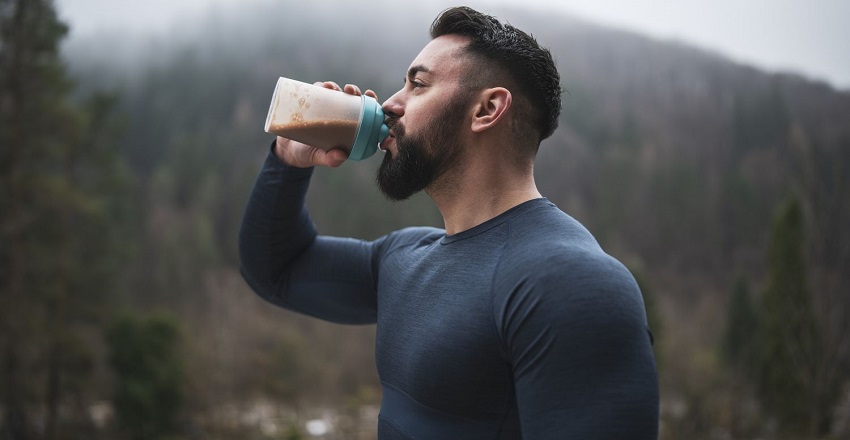
“No sugar, no junk. I don’t even eat much roti or rice. Just protein shakes—two scoops in the morning, one post-workout, sometimes another at night.”
Then he paused.
“But my reports say I have fatty liver. I don’t understand how.”
This is a conversation I am having far too often these days.
The Protein Obsession
Somewhere along the way, protein became the hero of modern nutrition—and everything else became the villain.
Social media, gyms, influencers, and glossy labels convinced us that:
- More protein = more health
- Protein powders = fitness
- Natural food = optional
But the body does not understand marketing.
It only understands balance.
What Ayurveda Sees That Labels Don’t
In Ayurveda, the liver (Yakrit) is not just a metabolic organ—it is the seat of Ranjaka Pitta, responsible for digestion, transformation, and detoxification.
When heavy, processed, artificial substances are consumed daily:
- The digestive fire (Agni) weakens
- Undigested residue (Ama) accumulates
- The liver is forced to overwork
- Fat begins to deposit where it does not belong
Protein powders—especially when:
- Taken in excess
- Consumed without hunger
- Used as meal replacements
- Loaded with isolates, sweeteners, and synthetic additives
…become guru (heavy) and abhishyandi (channel-clogging) in nature.

How Protein Shakes Contribute to Fatty Liver
From an Ayurvedic lens:
- Excess protein that cannot be properly digested turns into Ama
- Ama mixes with Meda Dhatu (fat tissue)
- The liver becomes sluggish and congested
- This leads to non-alcoholic fatty liver, even in people who don’t drink or eat junk food
The patient looked genuinely surprised.
“But I thought protein was good for the liver?”
I smiled and replied:
“Food becomes medicine only when your body can digest it.”
Common Repercussions of Excess Protein Powders
Over time, many patients report:
- Fatty liver
- Persistent bloating and heaviness
- Constipation or loose stools
- Acne and skin eruptions
- Bad breath
- Increased uric acid
- Kidney strain
- Hormonal imbalances
- Unexplained fatigue despite ‘healthy’ eating
These are not sudden reactions.
They are silent accumulations.
The Forgotten Truth: Protein Is Not the Problem—Excess Is
Ayurveda never denies protein.
It simply asks where it comes from and how it is consumed.
Natural protein sources like:
- Moong dal
- Lentils
- Milk, ghee, curd (as per constitution)
- Nuts and seeds in moderation
- Seasonal foods
…come with prana, enzymes, and digestibility.
Powders do not.
What I Told the Patient
I did not ask him to stop protein entirely.
I asked him to stop outsourcing his nutrition to a jar.
We focused on:
- Rebuilding digestive fire
- Clearing Ama
- Supporting liver function naturally
- Returning to freshly cooked, seasonal food
- Understanding hunger instead of counting scoops
Three months later, his reports improved.
More importantly, so did his energy, digestion, and clarity.
A Gentle Reminder
Health cannot be hacked.
Muscles are not built by powders alone.
And the liver cannot thrive under constant overload—even if it’s labeled “healthy.”
Sometimes, the most healing thing we can do is unlearn the hype and return to wisdom that has stood the test of time.
At Anammyaa Wellness, we don’t chase trends.
We listen to the body.
Because true nourishment is not about how much protein you consume—
It’s about how well you digest life itself.
Get in touch for details