

shape
shape

Category: Diet Plan

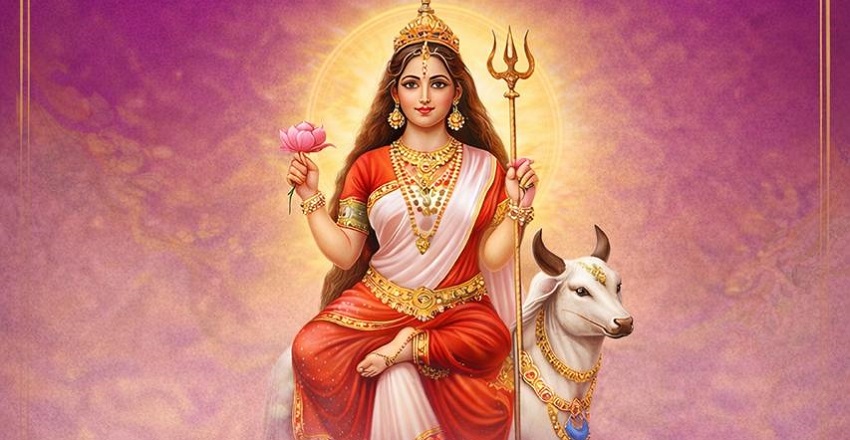
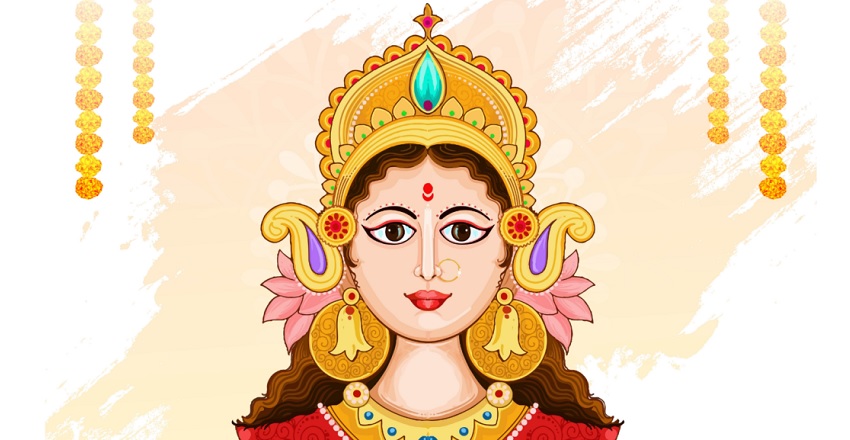
Navratri Day 4 – Maa Kushmanda

Energy: Spiritual elevation and Vata- Pitta balance.Devi Kushmanda is associated with the Anahata (heart) Chakra, radiating love, warmth and compassion. Mantra to Chant “Om Devi Kushmandayai Namah”.Chant 108 times for peace, protection and emotional stability Vedic Diet (Vata-Pitta Pacifying) Early Morning Warm water infused with rose petals and 3 cloves in it. Breakfast 1 whole sweet pomengranate (Dadima), balances the ‘tridoshas’, supports the digestion without aggravating the pitta dosha. Mid-Morning 1 glass of A2 gir cow milk with 3-4 strands of kesar, 2 pistachio and 2 crushed green cardamom in it at room temperature Benefits of this infusion Lunch Evening Dandelion or rose cooling herbal tea Dinner (before sunset) Strictly Avoid Vedic Insight Maa Kushmanda is Known as the creator of the universe, she represents life, fertility, and cosmic energy. She is believed to reside within the Surya mandala (sun) and provides energy to the universe.

Navratri Day 3 – Maa Chandraghanta

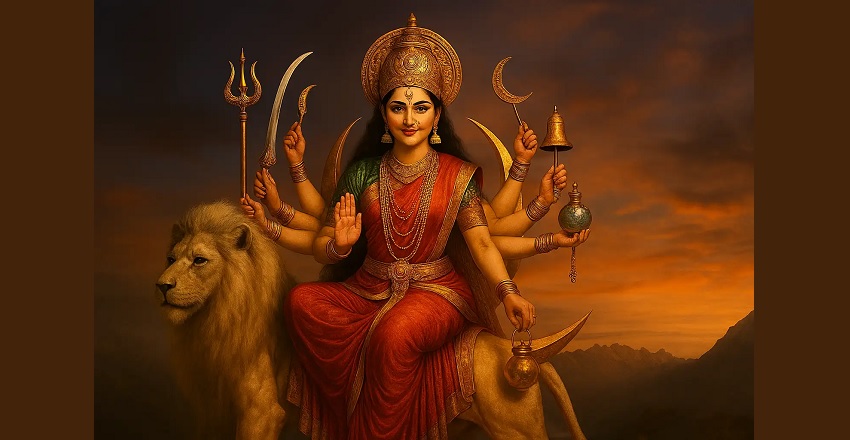
Energy: Calm strength and Pitta balance Mantra to Chant Om Devi Chandraghantayai NamahChant 108 times for peace, protection and emotional stability Vedic Diet (Pitta Pacifying and Cooling) Early Morning Warm water infused with fennel and 2 gms of mulethi Breakfast Indian local grapes (draksha)pacifies acidity antioxidant and excellent for Hemoglobin Coconut water infused with fresh tulsi leaves Benefits of coconut water with tulsi Mid-Morning Coriander, rose petal and green cardamom infused water Benefits of this infusion Lunch Evening Dandelion or rose cooling herbal tea Dinner (before sunset) Strictly Avoid Vedic Insight Maa Chandraghanta represents the transformation of inner fire into calm strength. Choosing cooling, hydrating and sattvic combinations like grapes, herbal infusions and tulsi-infused coconut water supports both physical detox and mental balance.

Navratri Day 2 – Maa Brahmacharini

Goddess of Tapasya, Discipline and Inner Strength Mantra:“ॐ देवी ब्रह्मचारिण्यै नमः” Ayurvedic Principle of the Day Day 2 represents tapasya and discipline, where food intake is minimal, mindful and Agni-supportive. Diet should: Vedic Diet Plan (Day 2) Early Morning (Empty Stomach) or Post Prayers Supports Ojas formation while keeping digestion light Mid-Morning or Balances Pitta and maintains hydration Lunch (Main Meal) Evening or or Dinner (Light and Early) or Strictly Avoid Spiritual Insight Maa Brahmacharini signifies a life of discipline and inward focus.True fasting is about reducing dependency on food and enhancing inner clarity, not replacing meals with heavier alternatives.

Ayurvedic Diet for Day 1 of Navratri

Early Morning This gently stimulates digestion without burdening the stomach. Mid-Morning Pomegranate helps maintain strength and hydration during fasting while remaining light for digestion. Soak the Pomegranate in hot water for 10 minutes and then peel and eat Lunch (Main Meal of the Day) This meal supports stable energy without overloading digestion. Evening Detox Ritual Instead of heavy snacks, Ayurveda recommends a digestive herbal infusion. Dandelion Root Tea with Green Cardamom A warm cup of dandelion root tea with crushed green cardamom is ideal in the evening. Dandelion root tea is known for: At Anammyaa Wellness, we offer organic Himalayan dandelion root tea, carefully sourced for purity and potency. Adding green cardamom (Elaichi) enhances the benefits. Benefits of Green Cardamom Green cardamom is highly valued in Ayurveda because it: Together, dandelion root and cardamom create a beautiful detoxifying herbal drink, perfect for supporting the body during Navratri fasting. Dinner ( Before Sunset) Dinner should remain very light, as digestion naturally… Continue reading Ayurvedic Diet for Day 1 of Navratri

Ayurveda and the VataDosha Diet: Grounding the Air Within in Summers

In the vast and ancient science of Ayurveda, the key to true well-being lies in balancing the three doshas—Vata, Pitta, and Kapha—each born from the five elements. Of these, Vatadosha, governed by air and ether, is the most subtle yet powerful, directing movement in the body and mind. When Vata is stable, we enjoy mental clarity, vitality, and creativity. However, when imbalanced—especially in dry, windy, or chaotic conditions—symptoms like anxiety, constipation, fatigue, and dryness may appear. This is where an Ayurveda VataDosha Diet becomes essential, particularly during summers when dehydration and mental agitation are common. Understanding VataDosha Vata controls all motion: breath, blood flow, elimination, and neural impulses. But its light, dry, and mobile qualities can lead to imbalance quickly. Thankfully, Ayurveda teaches that by applying the opposite qualities—warmth, moisture, stability, and nourishment—we can pacify Vata naturally and effectively. What is a Vata-Pacifying Diet? The Ayurveda VataDosha Diet focuses on grounding and rejuvenation. Transitioning away from cold or raw foods… Continue reading Ayurveda and the VataDosha Diet: Grounding the Air Within in Summers

Power Up with Homemade Protein Powder

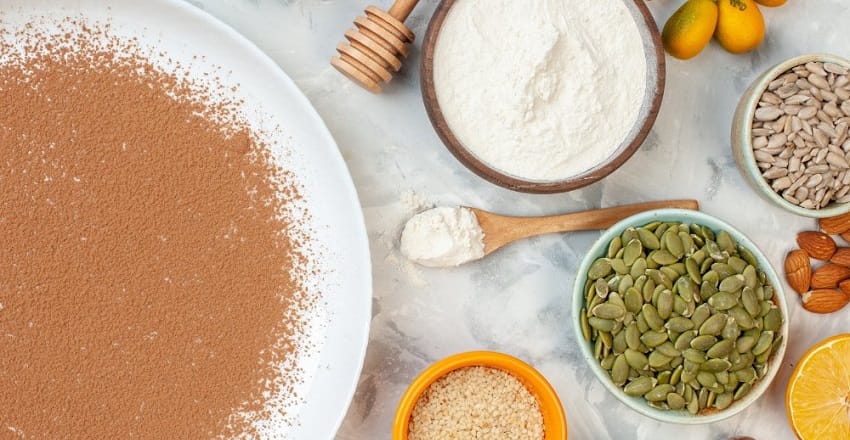
If you’re working out regularly and chasing fitness goals, chances are you’re reaching for a branded protein powder. But have you paused to check what’s inside that shiny pack? Artificial sweeteners. Chemical additives. Synthetic isolates. Modern protein powders often promise strength but can silently burden your digestion, hormones, and energy in the long run. Let’s flip the script with something pure, potent, and deeply rooted in Ayurvedic wisdom — a homemade protein powder crafted from whole, natural ingredients your body will actually recognize and absorb. Why Say No to Market Protein Powders? Homemade Protein Powder Recipe: Clean. Balanced. Ayurvedic. Ingredients (for a 100g blend) Nutritional Value (Per 100g Approx.) Nutrient Approx. Amount Protein 22–25g Healthy Fats 35–38g Fiber 12–14g Carbs 25–28g Calcium 250–300mg Magnesium ~200mg Zinc 3–4mg Iron 4–5mg Omega-3s ~4g (from flax & chia) Vitamins B1, B2, B6, E, C, Folate How to Consume (The Ayurvedic Way) Avoid: Cold milk, smoothies, or combining with fruits — such combinations are… Continue reading Power Up with Homemade Protein Powder

Is high protein diet healthy for you? Breaking the Myths

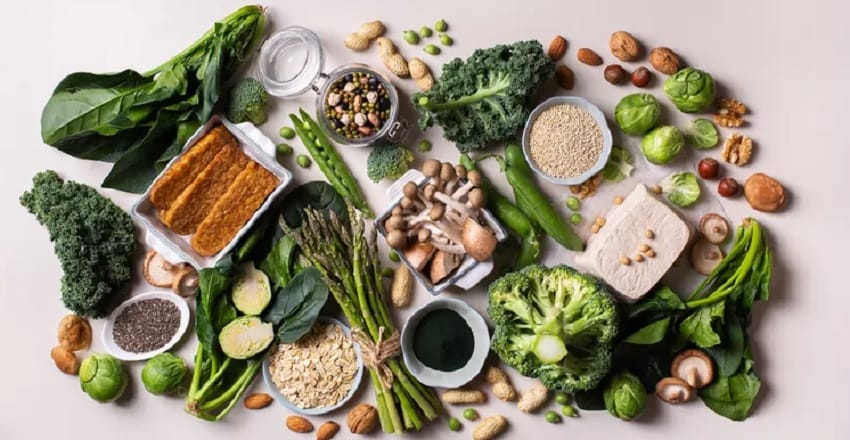
“The Dark Side of High-Protein Diets: What Your Body is Telling You” In Ayurveda, it’s essential to understand that each person requires a personalized diet based on their unique body constitution (Prakriti) and their current health condition. While high-protein diets have gained popularity, it’s crucial to examine their long-term effects. When can a high-protein diet be beneficial? However, it’s not advisable for women dealing with perimenopausal symptoms or menstrual issues. After following a high-protein diet for 3–4 months, some individuals might start noticing negative changes: Remember: your gym trainer is not your doctor. For individuals with weak Agni (digestive fire), especially those with a Vata or Kapha constitution, high protein intake can lead to indigestion, bloating, and the buildup of toxins (Ama). Proteins are heavy and difficult to digest, making them challenging for those with weaker digestion. How does protein intake affect each body’s constitution? Vata Constitution: Excessive protein, particularly from animal sources, may increase dryness, cause constipation, and lead… Continue reading Is high protein diet healthy for you? Breaking the Myths

Are You Drinking Water the Right Way? Ayurvedic Guidelines for Optimal Hydration

Ayurveda provides timeless wisdom on how to drink water to promote digestion, maintain hydration, and support overall health. For those following an Ayurvedic diet plan, the way you consume water can be just as important as the food you eat. Let’s explore some essential Ayurvedic guidelines for proper water intake. 1. Ideal Water Temperature According to Ayurveda, drinking warm or room temperature water is best for maintaining a healthy digestive fire (Agni). Cold water can disrupt digestion and cause long-term health issues. This is especially important for anyone following an Ayurvedic diet plan to ensure optimal digestion and absorption of nutrients. 2. Seated Water Consumption Ayurveda recommends drinking water while seated rather than standing. This practice ensures proper absorption and distribution of water in the body. Seated water consumption aids hydration and supports overall well-being. 3. Small, Controlled Sips Instead of gulping down large amounts of water at once, Ayurveda suggests taking small sips. This helps maintain the digestive fire… Continue reading Are You Drinking Water the Right Way? Ayurvedic Guidelines for Optimal Hydration

Take the first step towards towards better health.
Book your Consultation today!

Make appointment make a call

Get in Touch

Speak to our Expert

    Let's Chat

    Choice Billing Address

    ×

    You have no billing addresses.