

shape
shape

Category: Ayurveda

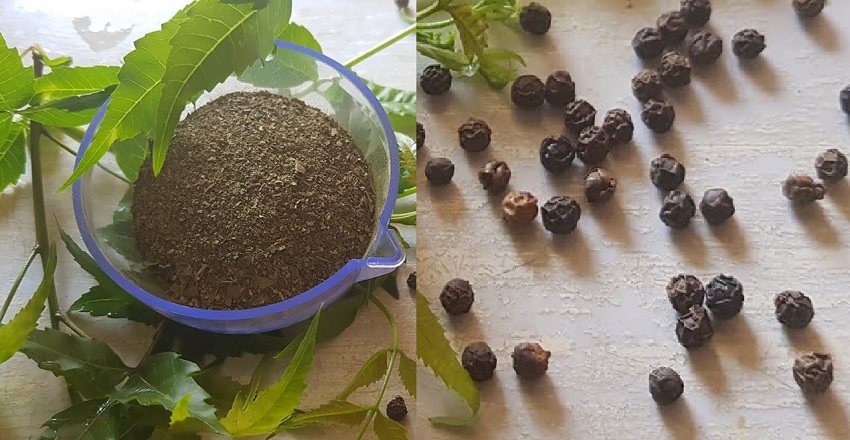
Why Neem Leaves with Black Pepper in April?

An Ayurvedic Seasonal Detox Ritual By Ashma KhannaFounder, Anammyaa Wellness As April arrives, nature begins its transition from the coolness of spring to the intensifying heat of summer. This seasonal shift is not just external—it deeply impacts our internal balance as well. According to Ayurveda, this is the time when Kapha dosha starts liquefying and Pitta begins to accumulate in the body. This combination can lead to various seasonal imbalances if not managed correctly. One of the simplest and most powerful Ayurvedic practices during this period is the intake of 5 fresh neem leaves with black pepper—a traditional ritual rooted in deep healing wisdom. Seasonal Transition and Its Impact on the Body April represents the junction of: During this phase, the body becomes more susceptible to: Ayurveda emphasizes the importance of Ritucharya (seasonal regimen) to prevent disease before it manifests. The Power of Neem Neem holds a sacred place in Ayurveda for its potent detoxifying properties. Ayurvedic Properties of Neem… Continue reading Why Neem Leaves with Black Pepper in April?
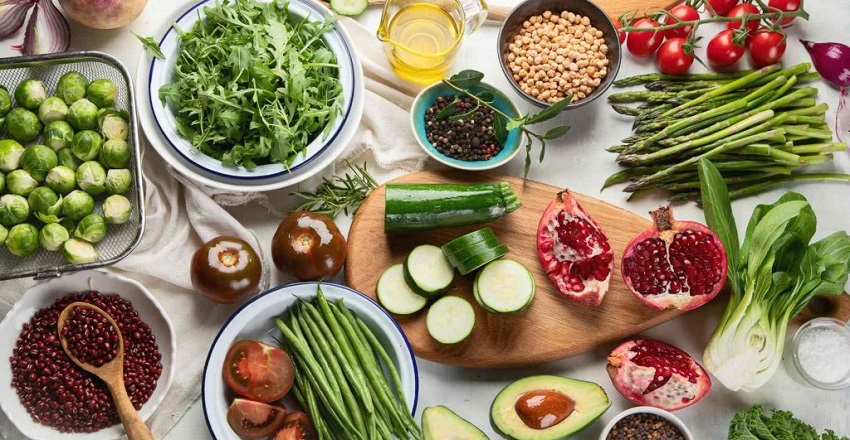

Seasonal Transition: From Spring to Summer – An Ayurvedic Guide to Food & Balance

As nature transitions from the gentle bloom of spring into the intensity of summer, the human body too undergoes subtle physiological and energetic changes. In Ayurveda this period is considered highly sensitive, where diet and lifestyle must be consciously adapted to maintain internal balance. Seasonal eating is not merely a recommendation in Ayurveda—it is a fundamental principle of staying aligned with nature’s intelligence. Understanding the Seasonal Shift Spring (Vasant Ritu) is dominated by Kapha dosha, which accumulates during winter and begins to liquefy as temperatures rise. This often manifests as heaviness, sluggish digestion, allergies, and accumulation of toxins (Ama). As we gradually move into summer (Grishma Ritu), Pitta dosha begins to increase due to rising environmental heat. Simultaneously, digestive fire (Agni) starts to weaken, making the body more prone to dehydration, acidity, fatigue, and irritability. This transition phase therefore requires a careful shift from Kapha-reducing to Pitta-balancing foods, without disturbing digestion. Why Food Choices Must Change Ayurveda is based on… Continue reading Seasonal Transition: From Spring to Summer – An Ayurvedic Guide to Food & Balance

Why Ayurveda Recommends Watermelon in Mid-May — Not Earlier

In today’s world, almost every fruit is available throughout the year. But Ayurveda does not look at availability — it looks at appropriateness. Watermelon appearing in the market in March or early April does not mean the body is ready to receive it. Ayurveda is deeply aligned with Ritucharya (seasonal discipline), where food is chosen based on how nature and the body are evolving together. The Ayurvedic Logic Behind Timing Watermelon is: But most importantly, it is designed for peak summer heat, not the transitional phase. The Seasonal Transition Matters From spring (Vasant Ritu) to summer (Grishma Ritu), the body undergoes a delicate shift: In Spring (March–April): At this stage, introducing watermelon: By Mid-May (True Summer): Now the body needs: This is when watermelon becomes medicine, not just food. What Happens If You Eat Watermelon Too Early? When consumed before the body is ready, watermelon can disturb the internal balance. 1. Weak Digestion and Ama Formation Early consumption suppresses Agni,… Continue reading Why Ayurveda Recommends Watermelon in Mid-May — Not Earlier

Navratri Day 4 – Maa Kushmanda

Energy: Spiritual elevation and Vata- Pitta balance.Devi Kushmanda is associated with the Anahata (heart) Chakra, radiating love, warmth and compassion. Mantra to Chant “Om Devi Kushmandayai Namah”.Chant 108 times for peace, protection and emotional stability Vedic Diet (Vata-Pitta Pacifying) Early Morning Warm water infused with rose petals and 3 cloves in it. Breakfast 1 whole sweet pomengranate (Dadima), balances the ‘tridoshas’, supports the digestion without aggravating the pitta dosha. Mid-Morning 1 glass of A2 gir cow milk with 3-4 strands of kesar, 2 pistachio and 2 crushed green cardamom in it at room temperature Benefits of this infusion Lunch Evening Dandelion or rose cooling herbal tea Dinner (before sunset) Strictly Avoid Vedic Insight Maa Kushmanda is Known as the creator of the universe, she represents life, fertility, and cosmic energy. She is believed to reside within the Surya mandala (sun) and provides energy to the universe.

Navratri Day 3 – Maa Chandraghanta

Energy: Calm strength and Pitta balance Mantra to Chant Om Devi Chandraghantayai NamahChant 108 times for peace, protection and emotional stability Vedic Diet (Pitta Pacifying and Cooling) Early Morning Warm water infused with fennel and 2 gms of mulethi Breakfast Indian local grapes (draksha)pacifies acidity antioxidant and excellent for Hemoglobin Coconut water infused with fresh tulsi leaves Benefits of coconut water with tulsi Mid-Morning Coriander, rose petal and green cardamom infused water Benefits of this infusion Lunch Evening Dandelion or rose cooling herbal tea Dinner (before sunset) Strictly Avoid Vedic Insight Maa Chandraghanta represents the transformation of inner fire into calm strength. Choosing cooling, hydrating and sattvic combinations like grapes, herbal infusions and tulsi-infused coconut water supports both physical detox and mental balance.

Navratri Day 2 – Maa Brahmacharini

Goddess of Tapasya, Discipline and Inner Strength Mantra:“ॐ देवी ब्रह्मचारिण्यै नमः” Ayurvedic Principle of the Day Day 2 represents tapasya and discipline, where food intake is minimal, mindful and Agni-supportive. Diet should: Vedic Diet Plan (Day 2) Early Morning (Empty Stomach) or Post Prayers Supports Ojas formation while keeping digestion light Mid-Morning or Balances Pitta and maintains hydration Lunch (Main Meal) Evening or or Dinner (Light and Early) or Strictly Avoid Spiritual Insight Maa Brahmacharini signifies a life of discipline and inward focus.True fasting is about reducing dependency on food and enhancing inner clarity, not replacing meals with heavier alternatives.

Ayurvedic Diet for Day 1 of Navratri

Early Morning This gently stimulates digestion without burdening the stomach. Mid-Morning Pomegranate helps maintain strength and hydration during fasting while remaining light for digestion. Soak the Pomegranate in hot water for 10 minutes and then peel and eat Lunch (Main Meal of the Day) This meal supports stable energy without overloading digestion. Evening Detox Ritual Instead of heavy snacks, Ayurveda recommends a digestive herbal infusion. Dandelion Root Tea with Green Cardamom A warm cup of dandelion root tea with crushed green cardamom is ideal in the evening. Dandelion root tea is known for: At Anammyaa Wellness, we offer organic Himalayan dandelion root tea, carefully sourced for purity and potency. Adding green cardamom (Elaichi) enhances the benefits. Benefits of Green Cardamom Green cardamom is highly valued in Ayurveda because it: Together, dandelion root and cardamom create a beautiful detoxifying herbal drink, perfect for supporting the body during Navratri fasting. Dinner ( Before Sunset) Dinner should remain very light, as digestion naturally… Continue reading Ayurvedic Diet for Day 1 of Navratri

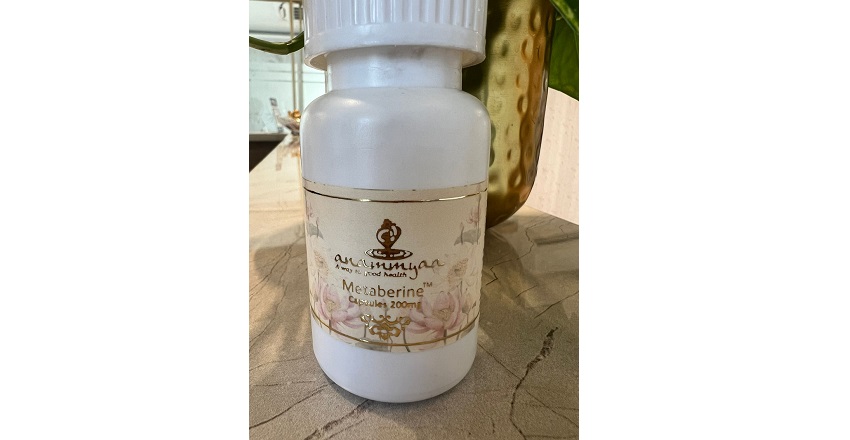
Meta-Berberine in Ayurveda: The Ancient Herb Behind Modern Metabolic Healing

Introduction In recent years, the wellness industry has been flooded with discussions around Meta-Berberine. It is often promoted as a natural compound that supports blood sugar control, weight management, cholesterol balance, and liver health. Many people believe it is a new discovery in the world of natural medicine. However, Ayurveda has been using this powerful plant compound for centuries through a medicinal herb known as Daruharidra (Indian Barberry), traditionally called Daru Haldi in India. Long before supplements began isolating berberine, Ayurvedic physicians understood the deep metabolic and detoxifying benefits of this herb. In Ayurveda, Daruharidra has always been valued for its ability to purify the blood, cleanse the liver, regulate metabolism, and restore balance in the body. What is Meta-Berberine? Meta-Berberine is essentially a highly bioavailable form of berberine, a naturally occurring plant alkaloid. Modern science has discovered that berberine influences metabolic pathways that regulate sugar metabolism, fat metabolism, and cellular energy production. Ayurveda, however, does not rely on isolated compounds. Instead, it focuses on the complete herb, which… Continue reading Meta-Berberine in Ayurveda: The Ancient Herb Behind Modern Metabolic Healing

The Real Science Behind Fasting – An Eye Opener

Navratras is one of the most widely celebrated festivals in India. For nine days people worship the divine feminine, cleanse their homes, and most importantly — they fast. But somewhere along the way, the true wisdom behind Navratra fasting has been misunderstood. What was meant to be a scientific seasonal reset for the body has slowly turned into a festival of fried “fasting foods.” Kuttu pooris. Sabudana khichdi dripping in ghee. Fried potatoes. Heavy vrat thalis. This was never the intention of Ayurveda. To understand the real purpose of Navratra fasting, we must first understand when Navratras occur and why. Navratras Occur During Seasonal Transition Navratras fall exactly during Ritu Sandhi — the junction between two seasons. Chaitra Navratri occurs during the transition from winter to summerSharad Navratri occurs during the transition from monsoon to winter According to Ayurveda, seasonal transitions are the most delicate time for the body. During Ritu Sandhi: This is when disease most easily manifests. Nature,… Continue reading The Real Science Behind Fasting – An Eye Opener

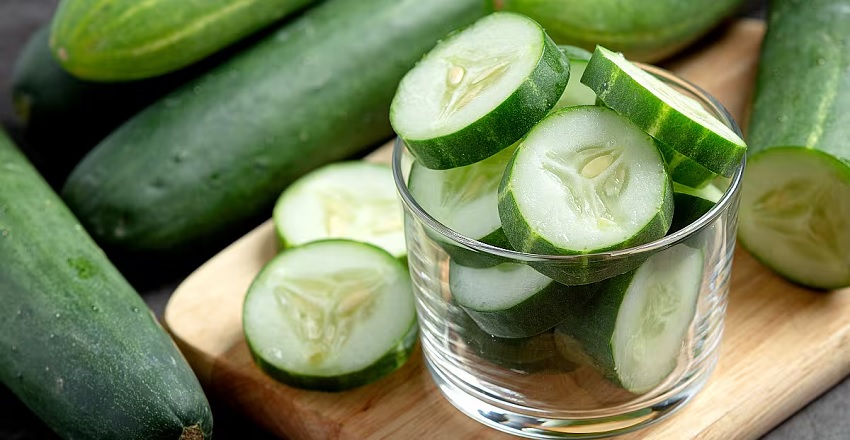
Why Cucumber as Salad is Not Ideal in Winters

1. Winter is Kapha Season Winter naturally aggravates Kapha dosha: ColdHeavyMoistSluggish Cucumber shares the same qualities, so instead of balancing the body, it adds to Kapha load. Result: congestion, heaviness, slow digestion. 2. Cold Potency vs Weak Agni In winters: Digestive fire (Agni) is already challenged by coldRaw cucumber further dampens Agni Eating cucumber raw (as salad) is like: pouring cold water on a weak flame Repercussions of Eating Cucumber in Winters Digestive Disorders Respiratory & Kapha Disorders Skin & Metabolic Issues Joint & Musculoskeletal Problems Especially Harmful For: Better Winter Alternatives to Raw Cucumber Salad Ayurvedic Wisdom to Remember “Sheeta dravya in sheeta kala is the root of disease.”(Cold foods in cold season become a cause of imbalance)

Take the first step towards towards better health.
Book your Consultation today!

Make appointment make a call

Get in Touch

Speak to our Expert

    Let's Chat

    Choice Billing Address

    ×

    You have no billing addresses.